What information helps distinguish an air conditioner starting fault from a cooling or drainage problem?
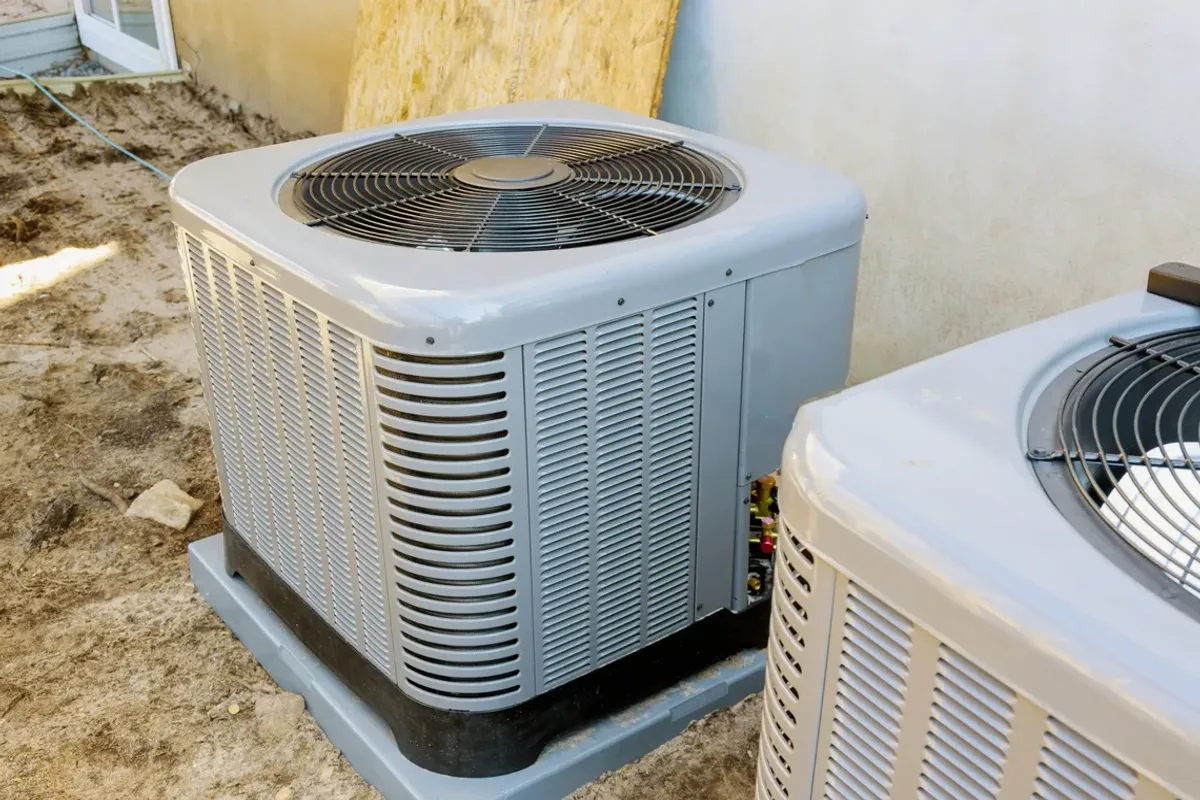
An air conditioner that will not start, delivers warm air, cools unevenly, makes unusual noise, or shuts down may have an electrical, refrigerant, airflow, or drainage fault. Central systems and ductless units have different layouts, so the equipment type and observed symptom matter when defining the inspection. A service request can describe when the problem occurs, whether the indoor or outdoor equipment operates, and any displayed fault code. Those details help frame diagnosis and repair or replacement decisions.
Inspection should separate hard-start or control faults, such as a failed capacitor or contactor, from airflow, refrigerant-circuit, and condensate-drain problems. These faults affect different components and call for different tests. The system type, operating symptoms, and any shutdown indication help set the scope. Electrical and refrigerant work should be left to qualified service personnel.
Capacitor, contactor, and other starting or electrical faults
Cooling, airflow, and refrigerant-circuit diagnosis
Condensate drains and float-switch shutdowns
Assessment and Scope
Questions for the Proposed Work
01
Investigate starting and electrical symptoms
A unit that struggles to start or stops unexpectedly may require examination of its electrical controls and starting components, including a capacitor or contactor. A tripped protective device is an observation to report, not a reason to keep resetting equipment. Inspection determines whether the component has failed or whether another fault is responsible. The result matters because replacing a part without confirming the cause can leave the original problem unresolved.
02
Distinguish cooling-circuit and airflow faults
Warm supply air or uneven cooling can result from airflow restrictions, a refrigerant-circuit problem, or another operating fault. Central air and ductless equipment differ in how indoor airflow and components are arranged, so diagnosis should follow the actual system design. Refrigerant pressures and electrical measurements require appropriate instruments and trained handling. Inspection findings, rather than the symptom alone, establish whether repair is appropriate or further system assessment is needed.
03
Treat condensate drainage as a separate repair
Water near an indoor air handler or a shutdown associated with a float switch can point to condensate drainage trouble. Inspection can determine whether a drain is obstructed, whether the safety switch is responding correctly, or whether another source caused the water. Drain service is distinct from refrigerant or cooling repair. Any cleaning or treatment should be based on what inspection finds and the equipment manufacturer’s instructions, not applied automatically.
Compare the next step
Describe upstairs and basement conditions at the same time rather than using the lower-level temperature alone. Ask whether humidity, air delivery, or equipment performance explains the difference. Clarify which proposed work addresses each condition and whether moisture sources outside the cooling system need separate attention.
Do not open electrical panels or handle refrigerant. If ice, water near electrical equipment, or abnormal operation is present, stop using the affected system and request an assessment.