Request furnace repair for a property in Mitchell. Include the equipment, the problem or planned work, and your location so the request can be reviewed.
What symptoms and furnace details should I include when requesting a repair assessment?
A furnace that blows cool air, runs continuously, starts and stops repeatedly, or will not start can have faults in different parts of the heating sequence. The symptom and furnace type help narrow the inspection: an ignition problem differs from restricted airflow, a control response, or a blower fault. A service request can include the equipment details, what changed, and any displayed error code. Those observations help define whether the request concerns a repair, maintenance finding, or possible replacement assessment.
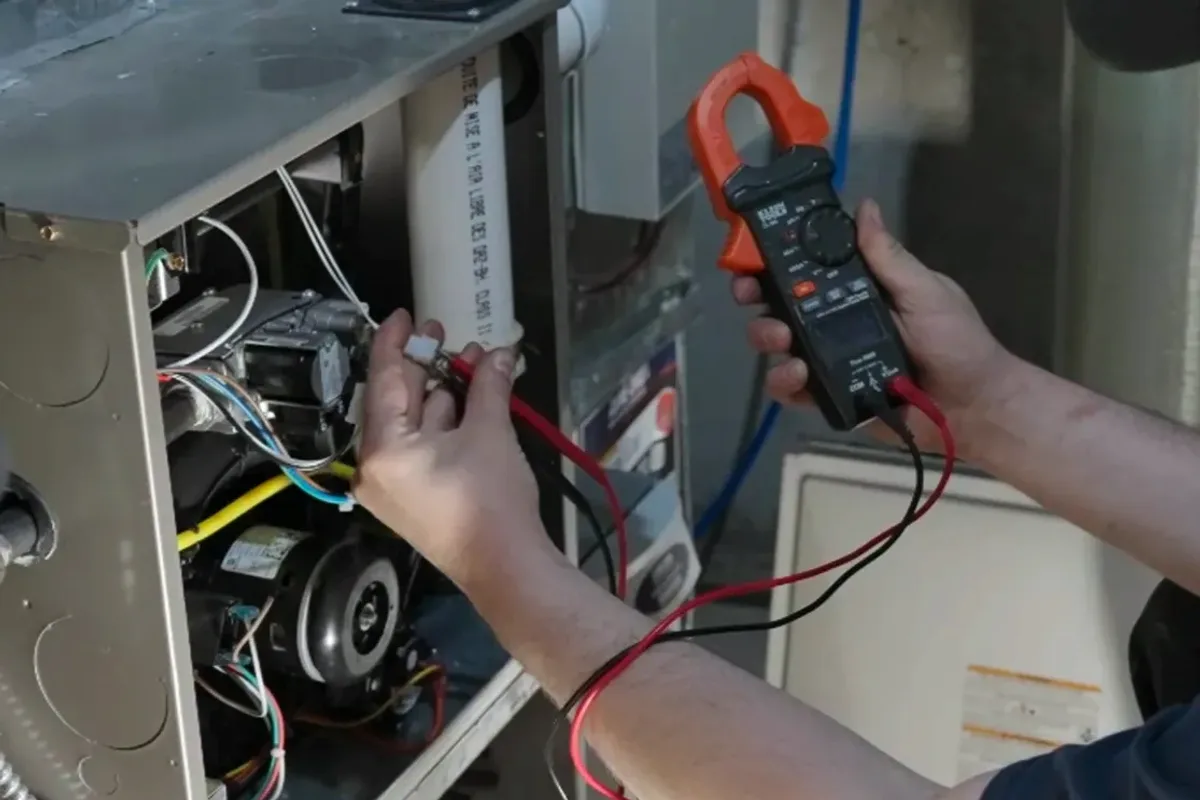
The assessment should distinguish ignition or flame-sensing faults from airflow restrictions, limit-control responses, and blower problems because each points to a different part of the operating sequence. Furnace fuel, model information, error indications, and when the symptom occurs can help focus inspection. A technician must assess internal electrical, combustion, and safety components; occupants should not attempt those checks.
Ignition, flame sensing, pressure-switch, blower, and airflow faults
Repair versus replacement for aging or repeatedly failing furnaces
Inspection-based furnace maintenance
Assessment and Scope
Questions for the Proposed Work
01
Separate ignition faults from airflow symptoms
A furnace that fails to establish or maintain a flame may involve an igniter, flame sensor, pressure switch, or another part of the combustion sequence. Short cycling or a furnace that runs without warming rooms can instead call for examining airflow, blower operation, or a limit-control response. Recording the timing, sounds, and displayed code helps distinguish these possibilities. Combustion and internal electrical testing require qualified service, not occupant investigation.
02
Choose repair or replacement from inspection findings
A repair decision depends on the confirmed fault, the condition of related components, and whether suitable parts remain available. For an aging single-stage furnace that runs for long periods, replacement can be compared with repair by considering equipment condition, operation, and compatibility with the existing duct system. A high-efficiency replacement is a separate installation scope, not an automatic remedy for every breakdown. Inspection findings should support either choice.
03
Use maintenance findings to guide next steps
Maintenance is an inspection and service decision, not a guarantee against future failure. Findings on airflow, filter condition, burners, controls, and other components can identify a present concern or a maintenance task. The furnace manufacturer’s instructions and inspection results determine what service is appropriate and when. If a fault is found, distinguish that repair from general maintenance so the requested work and its reason are clear.
Compare the next step
Show how the finished layout preserves access to filters, controls, and the appliance. Ask whether altered returns or enclosed spaces affect the reported fault. A service and renovation plan should distinguish heating performance from changes to the mechanical room, then record any distribution correction required for the occupied basement.
Leave burner, fuel, venting, electrical, and internal equipment work to a qualified contractor. Do not bypass a safety switch or repeatedly reset a furnace.