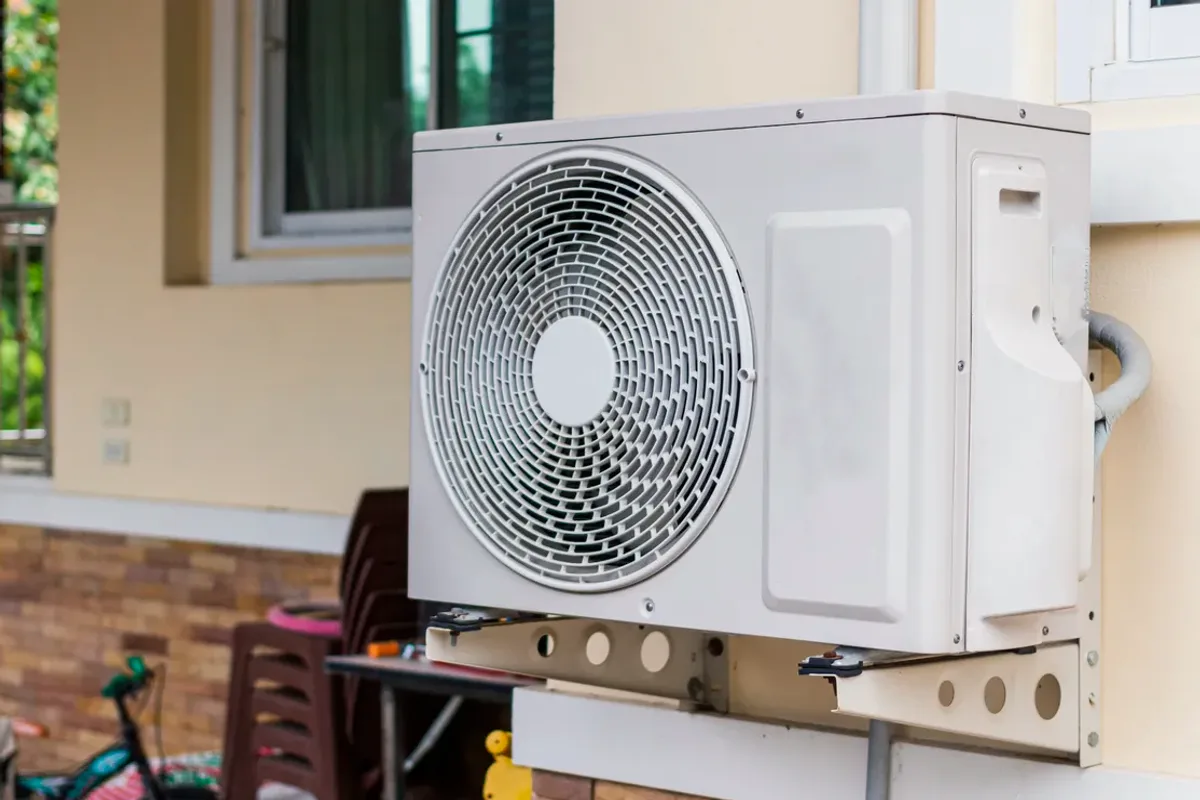
Request heat pump repair & installation for a property in Mitchell. Include the equipment, the problem or planned work, and your location so the request can be reviewed.
How can an inspection distinguish a heat pump repair from a replacement assessment?
A heat pump that does not heat or cool as expected, has uneven output, or makes an unusual sound may need repair, while a replacement decision requires a separate assessment. Heating and cooling operation, defrost behaviour, electrical readings, and refrigerant-circuit findings can help identify the cause. Equipment design also matters when considering a new system: existing ducts, indoor distribution, and the property’s heating requirements affect selection. A service request can state the symptom and whether the concern is repair, replacement, or both.
Diagnosis should compare the reported symptom with electrical draw, refrigerant-circuit measurements, outdoor-coil condition, and defrost operation where relevant. These observations help identify whether a component fault is repairable or whether broader equipment condition warrants a replacement comparison. Installation scope then depends on the existing distribution system and proposed equipment. Refrigerant and internal electrical checks are for qualified service personnel.
Electrical, refrigerant, reversing-valve, and defrost diagnosis
Repair versus replacement, including compressor condition
Heat pump selection, distribution compatibility, and defrost operation
Assessment and Scope
Questions for the Proposed Work
01
Use operating measurements to locate the fault
A heat pump’s failure to heat or cool can arise from different causes, so diagnosis should test rather than assume a failed major component. Electrical readings, refrigerant pressures, reversing-valve operation, and defrost controls may be relevant depending on the symptom and model. A blower that hums without turning, for example, calls for a different investigation from an outdoor coil that does not defrost properly. Findings guide a targeted repair rather than parts replacement by guesswork.
02
Compare repair with replacement on evidence
Repair remains a distinct option when inspection identifies a correctable fault and the remaining equipment condition supports continued service. Replacement can be considered when a major component, such as a compressor, has failed or when repeated repairs change the overall comparison. Age alone does not establish the answer. A written comparison should identify the confirmed fault, parts involved, system condition, and any installation changes required for replacement.
03
Assess replacement design and defrost needs
A new heat pump must be selected for the property’s heating and cooling requirements and the distribution it will use, such as existing ducts. If cold-weather operation is part of the project, compare the specific model’s documented operating range and defrost controls rather than relying on a general label. Outdoor placement, electrical needs, and system compatibility also shape installation scope. Maintenance findings on sensors and coils may inform service, but do not determine replacement by themselves.
Compare the next step
Include the finished lower level in the room-by-room design instead of treating its area as an automatic addition to nominal capacity. Ask how the proposed distribution reaches its occupied spaces and how sensors or zones respond. Document drainage, electrical, and service-access implications within the completed basement layout.
Cold-climate capability does not prove that one model covers every home heating load. Ask how the selected equipment and supplementary heat meet the actual design requirements.